
Freshwater versus Saltwater Pearls: Key Differences Explained

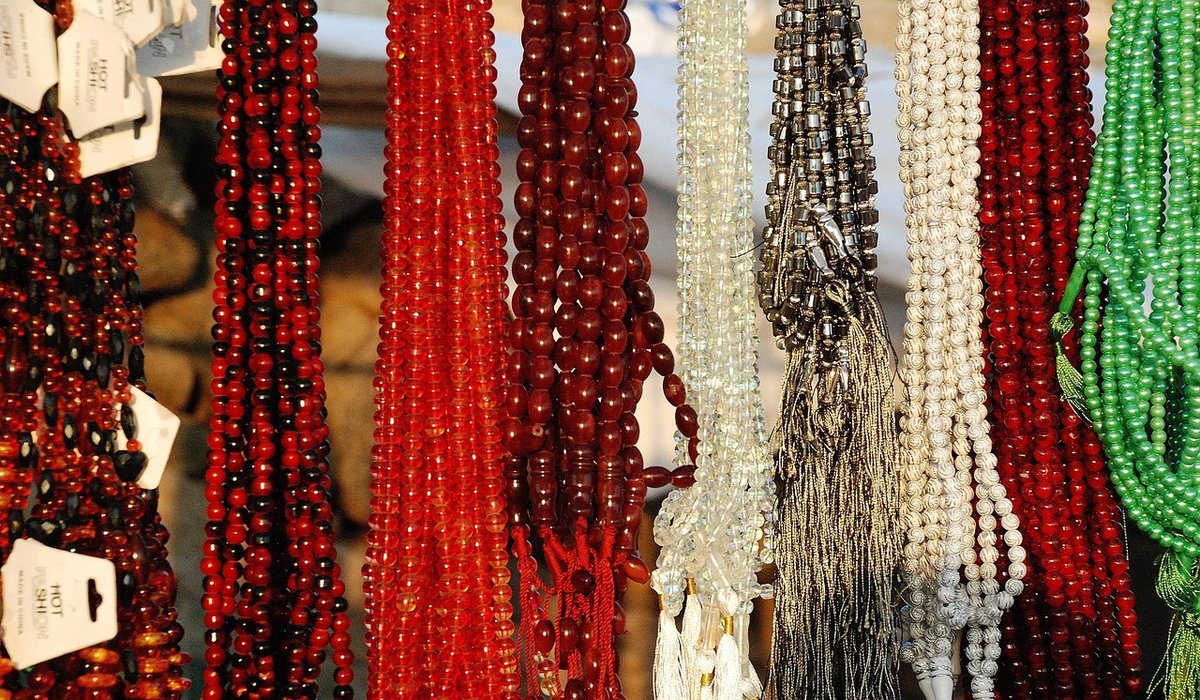
Pearl jewellery has a way of dividing shoppers the moment they see the price tags. Two strands can look broadly similar in a display case, yet one costs £60 and the other £600. The difference almost always comes down to one question: were those pearls grown in freshwater or saltwater? Understanding what separates them makes choosing a strand, a pair of studs or a pendant far less mystifying.
Why the Two Types Are Grown So Differently
Every pearl starts life as an irritant inside a mollusc, which coats it in layers of nacre — the same shimmering substance that lines the inside of the shell. How that process is managed changes everything about the finished gem.
- Freshwater pearls grow in mussels living in lakes and rivers, most commonly in China. A single mussel can host many pearls at once, and they are usually tissue-nucleated, meaning the pearl is almost entirely nacre all the way through.
- Saltwater pearls grow in oysters in bays, lagoons and atolls. Each oyster typically produces only one or two pearls, and a mother-of-pearl bead is inserted as the nucleus, so a thinner layer of nacre forms around a solid centre.
- Akoya pearls come from Japan and nearby waters, South Sea pearls from Australia, Indonesia and the Philippines, and Tahitian pearls from French Polynesia.
That single difference in farming — many pearls per shell versus one — explains most of the price gap you will see on a label.
Lustre: The Quickest Way to Tell Them Apart
Lustre is the sharpness of the light reflecting off the surface, and it is the most reliable giveaway. Hold a pearl under a lamp and look at the reflection: if the edges of the light are crisp and mirror-like, you are almost certainly looking at a saltwater pearl. Akoya pearls are famous for this cool, almost metallic sharpness.
Freshwater pearls generally offer a softer, satin-like glow — lovely, but gentler. South Sea pearls have a deep, creamy lustre with real presence, while Tahitian pearls are prized for dark bodies with green, peacock or pink overtones glowing beneath the surface. Lustre is also the quality most worth paying for: a smaller pearl with brilliant lustre will always outshine a larger, chalky one.
Shape and Size: What You'll Actually See
Size expectations differ sharply between the two types.
- Freshwater: typically 4–12mm, with 6–9mm the sweet spot for necklaces. Off-round, rice and baroque shapes are common, though round freshwater pearls are now widely available at a premium.
- Akoya: usually 6–9mm, occasionally up to 10mm, and almost perfectly round thanks to the bead nucleus.
- South Sea: the giants, usually 9–20mm, with the largest examples commanding extraordinary prices.
- Tahitian: generally 8–18mm, most often seen at 9–12mm.
If you want a perfectly matched, uniform strand, saltwater pearls make that easier. If you love the organic charm of baroque shapes, freshwater pearls offer wonderful character at a fraction of the cost.
Price: Where Your Money Really Goes
As a rough guide to UK pricing for a knotted strand:
- Freshwater: £30–£250 for most strands, with exceptional round examples reaching £400.
- Akoya: £250–£2,000, depending on size, lustre and clasp.
- Tahitian: £600–£5,000 and beyond.
- South Sea: £1,000–£10,000+ for large, lustrous strands.
Four factors drive that ladder: rarity of the mollusc, thickness and quality of nacre, size, and how well the pearls match each other. A freshwater strand takes far less time, water and luck to produce, which is why it can be genuinely beautiful and still affordable.
Matching Each Type to Your Jewellery Box
Think about how you will actually wear them.
- A first strand or everyday necklace: 7–8mm round freshwater pearls in white or soft pink. They sit well against knitwear and work with almost anything.
- Office and occasion wear: Akoya studs at 7–7.5mm give that crisp, polished look that reads as classic rather than fussy.
- Wedding or heirloom pieces: South Sea pearls in white or gold, or Tahitian pearls for a darker, more contemporary statement.
- Mixing with gemstones: baroque freshwater pearls pair beautifully with amethyst, peridot or blue topaz, since their irregular shapes echo the cut of faceted stones.
- A child's first pearls: small 5–6mm freshwater studs are light, durable and easy to replace.
Care That Keeps Both Looking New
Freshwater and saltwater pearls need the same treatment: put them on last and take them off first, so perfume, hairspray and sunscreen never sit on the nacre. Wipe them with a soft cloth after wearing, and store them flat in a fabric pouch rather than a sealed plastic bag, which can dry them out. Because pearls are strung on silk or nylon thread, restringing every year or two keeps a frequently worn necklace secure — the knots protect you from losing pearls if the thread ever snaps.
Whichever you choose, buy the best lustre and matching you can afford within your size budget. A well-cared-for strand, whatever its origin, will stay beautiful for decades.

Joeby Ragpa
This template is so awesome. I didn’t expect so many features inside. E-commerce pages are very useful, you can launch your online store in few seconds. I will rate 5 stars.
ReplyAlexander Samokhin
This template is so awesome. I didn’t expect so many features inside. E-commerce pages are very useful, you can launch your online store in few seconds. I will rate 5 stars.
ReplyChris Root
This template is so awesome. I didn’t expect so many features inside. E-commerce pages are very useful, you can launch your online store in few seconds. I will rate 5 stars.
Reply