
How to Identify Real Pearls at Home

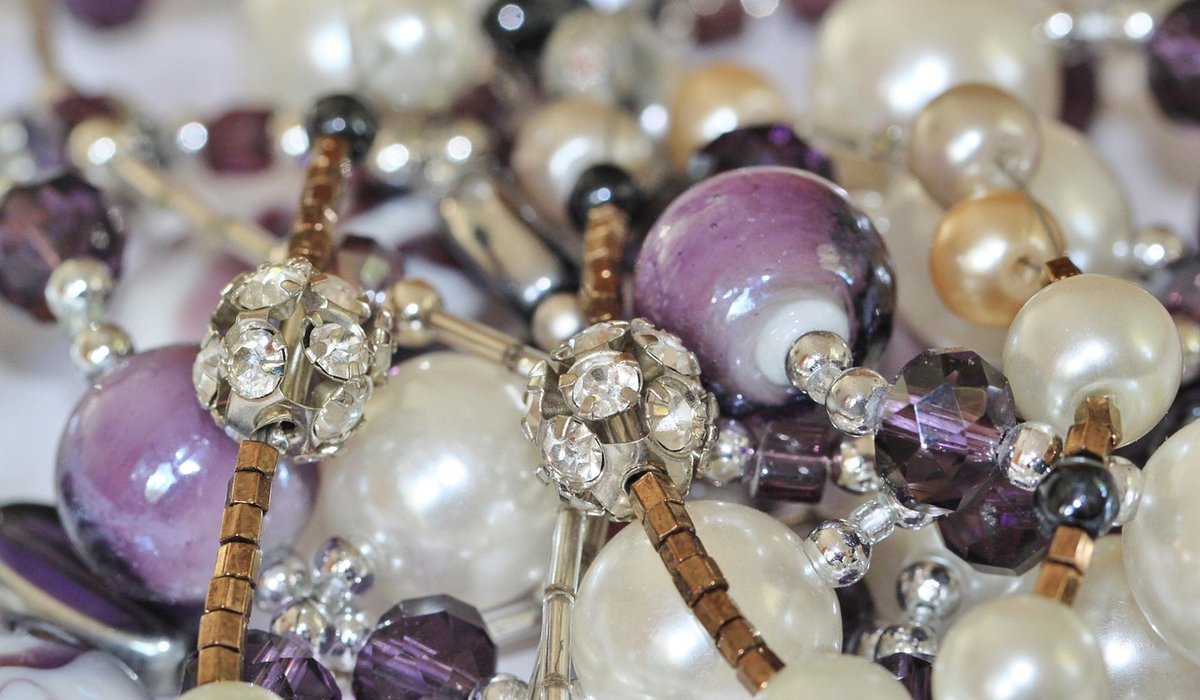
Why Imitations Fool Even Careful Buyers
Pearl imitations have come a long way. Modern glass beads dipped in layer upon layer of shimmering coating can catch the light beautifully, and a strand photographed online or seen under shop spotlights can look every bit as lovely as the real thing. There is nothing wrong with buying imitation jewellery if that is what you want — it can be stylish, affordable and fun. The problem only arises when you are paying a genuine price for something that is not genuine.
The good news is that pearls are famously hands-on. More than almost any other gemstone, they reveal themselves through touch, warmth and texture. You do not need a laboratory or a loupe to make a sensible judgement. You need good light, a little patience and a few minutes with the piece in your hand.
Start With the Tooth Test
This is the oldest trick in the book, and it remains one of the most reliable. Gently rub a pearl across the edge of your front tooth — not hard enough to damage it, just a light graze. A genuine pearl feels faintly gritty or sandy, because nacre is made of microscopic crystalline layers. An imitation feels glassy-smooth and glides across the enamel.
- Genuine pearls: a subtle, dry, sandy resistance.
- Glass, plastic or coated beads: slick and slippery, like running your tongue over a boiled sweet.
If you are testing a strand you have not bought yet, ask the seller whether you may do this. Anyone confident in their stock will say yes. If you are testing pearls you already own, choose a pearl at the back of the strand where any mark would be least noticeable.
Touch, Weight and Temperature
Pearls are organic. They are formed by a living creature, and that shows in how they feel against the skin. Pick up a single pearl or a short strand and notice three things.
- Coolness: a real pearl feels noticeably cool when it first touches your skin, then gradually warms to body temperature. Plastic feels warm almost immediately. Glass cools quickly but warms faster than pearl and then feels oddly neutral.
- Weight: genuine pearls have a pleasing density. They are heavier than plastic and usually slightly heavier than a glass bead of the same size, though the difference is subtle. A strand that feels feather-light is a warning sign.
- Surface warmth after handling: hold a pearl in your closed palm for thirty seconds. Real nacre holds a soft, milky warmth that feels natural. Coated imitations often feel clammy or simply inert.
Try the comparison test. If you own one pearl you are certain about, keep it in your handbag or jewellery box as a reference. Comparing side by side is far easier than judging in isolation.
Examine the Surface in Good Light
Take the piece to a window and look at it in natural daylight, not under a halogen bulb. Daylight is honest.
Genuine pearls are rarely perfect. Look closely and you will usually see tiny blemishes, faint dimples, slight variations in shape and gentle ripples in the surface. Each pearl on a strand will differ slightly from its neighbours. This is not a flaw — it is the fingerprint of something grown rather than manufactured.
Imitations tend to be suspiciously uniform. Every pearl is the same size, the same shape, the same flawless sheen. Look at the drill hole as well. On a real pearl the hole is usually clean, with a slightly crisp edge where the nacre has been pierced. On a coated imitation you may see the coating flaking or peeling around the hole, or a dull core showing through.
Then look at the lustre. Real pearls have a deep, soft glow that seems to come from inside the pearl, often with a faint pink, silver or green overtone that shifts as you move it. Imitations usually look shiny on the surface only, like a mirror rather than a candlelit room.
The Rubbing Test and Other Quick Checks
If you have two pearls of similar size on the same strand, rub them very gently together near your ear. Genuine pearls produce a faint, dry, slightly squeaky friction and may leave a trace of fine white powder on your fingers, which brushes away. Imitations feel smooth and silent, sometimes with a faint plasticky click.
Two further checks are worth knowing:
- The edge test: run a pearl lightly along the edge of a coin or your fingernail. Real nacre leaves a soft, chalky mark that wipes off. A coated bead may simply skate across.
- The heat test: hold a pearl close to a warm lamp for a few seconds. Real pearls take a little time to absorb warmth and hold it briefly. Plastic warms almost at once.
None of these tests is destructive, and none should be done on a valuable heirloom without care. When in doubt, stop.
When to Ask for Expert Help
Home tests are excellent at ruling out obvious imitations, but they cannot reliably separate a fine natural pearl from a cultured one, or detect a bead nucleus beneath a thin layer of nacre. That distinction often matters enormously to price, and it is not one you can make with your teeth.
If a piece is expensive, inherited, or being sold as antique or natural, take it to a qualified gemmologist or a reputable jeweller who deals in pearls. Ask for a written opinion. A small fee is cheap insurance. And remember: the most useful home test of all is comparison. The more real pearls you handle, the quicker your fingers will learn what genuine nacre feels like — cool, slightly gritty, gently imperfect and quietly alive.

Joeby Ragpa
This template is so awesome. I didn’t expect so many features inside. E-commerce pages are very useful, you can launch your online store in few seconds. I will rate 5 stars.
ReplyAlexander Samokhin
This template is so awesome. I didn’t expect so many features inside. E-commerce pages are very useful, you can launch your online store in few seconds. I will rate 5 stars.
ReplyChris Root
This template is so awesome. I didn’t expect so many features inside. E-commerce pages are very useful, you can launch your online store in few seconds. I will rate 5 stars.
Reply